Patent Lawyers Helping Local Inventors
Innovation begins with ideas, but not every idea automatically qualifies for legal protection. Many inventors believe that having a creative concept is enough to secure a patent in the United States, yet patent law requires much more than a general idea.
Patent attorneys play an essential role in educating inventors about what can and cannot be patented under U.S. patent law.
A concept alone is not enough to obtain patent protection in the United States.
As patent attorney Ruben Alcoba explains, inventors frequently approach law firms with undeveloped concepts that require further technical detail before they become legally patentable.
What Does It Mean for an Invention to Be Enabled?
Under U.S. patent law, an invention must be “enabled” to qualify for patent protection.
This means the patent application must clearly explain:
- How to make the invention
- How to use the invention
- How someone skilled in the field can reproduce it
The written patent specification must provide enough technical detail so that an ordinary professional in the relevant industry can understand and apply the invention.
ℹ️ Info: Patent applications must include sufficient technical disclosure to satisfy legal enablement requirements.
Without this level of explanation, the invention may fail to qualify for protection.
Why Concepts Alone Are Not Patentable
Many inventors identify important problems and imagine potential solutions. However, identifying a problem is not the same as developing a patentable invention.
For example, an inventor may recognize that a room requires lighting at night and propose creating a device that produces light.
However, if the inventor cannot explain:
- How the device is constructed
- How it functions
- What components are required
- How users operate it
then the invention would likely be considered non-enabled under patent law.
Patent protection requires more than inspiration. It requires technical implementation.
Why Enablement Matters for a Patent in the United States
Enablement is one of the most important legal standards for obtaining a patent in the United States.
Patent law protects inventions that provide:
- Clear technical solutions
- Functional implementation
- Novel approaches
- Non-obvious advancements
⚠️ Warning: Inventions lacking technical detail may face rejection during the patent examination process.
The purpose of enablement is to ensure that patent rights are granted only to inventions that genuinely contribute useful knowledge to society.
Understanding Novelty in Patent Law
In addition to enablement, inventions must also satisfy the requirement of novelty.
A novel invention originates from an original concept or unique advancement that has not previously been publicly disclosed or used.
Under U.S. patent law, an invention generally cannot receive patent protection if it was already:
- Known publicly
- Used commercially
- Published previously
- Disclosed anywhere in the world before filing
Critical Risks
- Public disclosure before filing may negatively impact patent eligibility in the United States.
This is why early legal guidance is extremely important for inventors.
The Difference Between an Idea and a Patentable Invention
Many inventors mistakenly assume that having a creative thought automatically creates ownership rights.
However, patent law distinguishes between:
- A conceptual idea
- A technically enabled invention
An invention becomes potentially patentable only when it includes enough information to allow others skilled in the field to reproduce the invention successfully.
ℹ️ Info: Patent protection focuses on practical implementation rather than abstract concepts alone.
This distinction is critical when preparing patent applications.
How Patent Lawyers Help Local Inventors
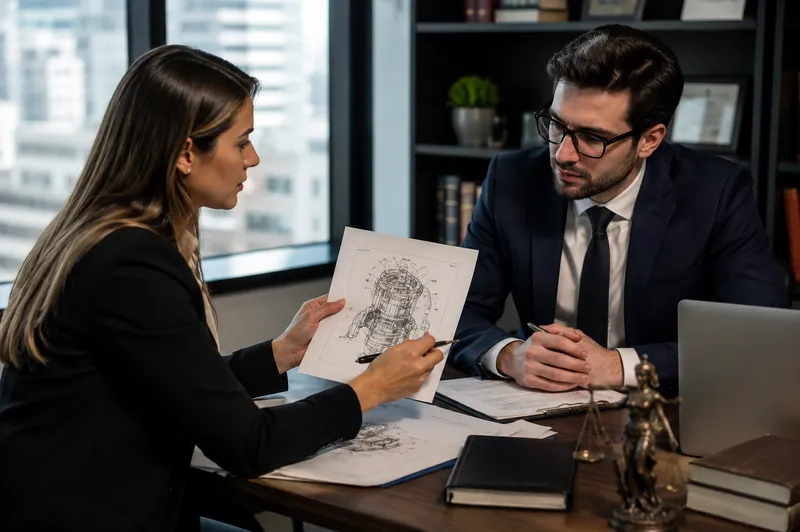
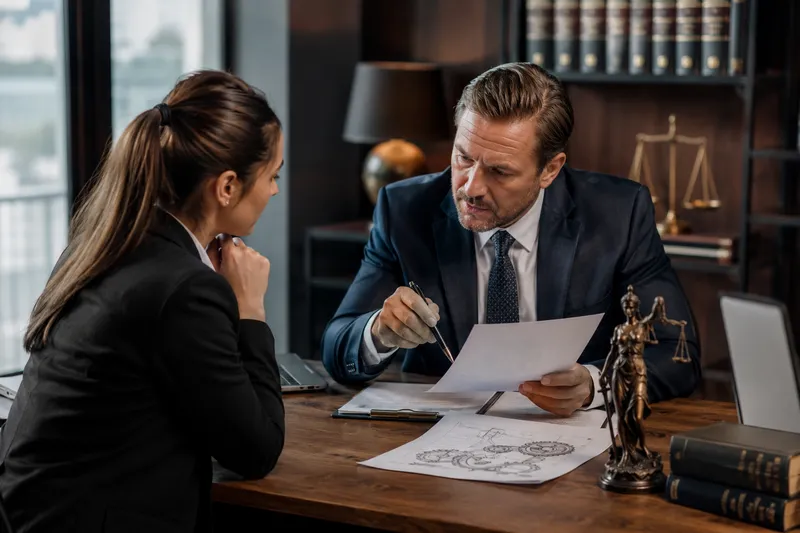
Patent lawyers help inventors transform concepts into legally protectable inventions.
Their role often includes:
- Evaluating patentability
- Conducting prior art research
- Preparing technical specifications
- Drafting patent claims
- Filing applications with the USPTO
- Responding to patent office objections
By working closely with inventors, patent attorneys help strengthen applications and reduce costly legal mistakes.
Professional legal guidance can improve patent application quality and reduce procedural risks.
Why Early Patent Consultation Is Important
Inventors often delay speaking with a patent attorney until after discussing their ideas publicly or attempting development independently.
Unfortunately, these actions can sometimes create legal complications.
⚠️ Warning: Public disclosure before filing may reduce international patent rights and create additional legal risks.
Early consultation allows inventors to:
- Evaluate patent eligibility
- Protect confidential information
- Build stronger applications
- Develop intellectual property strategies
This proactive approach helps inventors protect their innovations more effectively.
Supporting Innovation Through Patent Education
Educating inventors about patent law is an important part of protecting innovation.
Many independent inventors possess excellent ideas but lack understanding of:
- Enablement requirements
- Novelty standards
- Patent procedures
- Filing timelines
Patent attorneys bridge this gap by helping inventors understand both legal requirements and strategic considerations.
Strong patent strategies begin with proper education and careful legal planning.
Conclusion
Obtaining a patent in the United States requires more than creativity alone. Inventors must demonstrate that their inventions are enabled, novel, functional, and sufficiently detailed to satisfy patent law requirements.
Understanding the distinction between a simple concept and a patentable invention is essential for protecting intellectual property successfully.
Patent lawyers help local inventors navigate these complex legal standards while transforming innovative ideas into protected assets.
ℹ️ Info: Early legal guidance can help inventors avoid mistakes and improve long-term intellectual property protection.
With proper planning, technical disclosure, and legal support, inventors can position themselves for stronger patent protection and future commercial success.