Public Disclosure in the U.S.: What’s Actually Risky Before Filing a Patent
For inventors, startups, researchers, and engineering teams, discussing an invention before filing often feels natural. Showing a prototype, posting updates on LinkedIn, presenting at conferences, pitching investors, or publishing technical content may seem harmless from a business perspective.
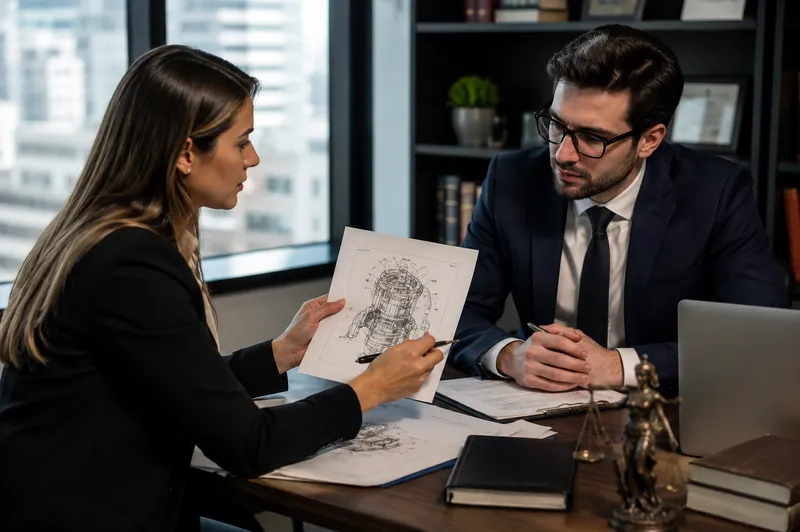
However, in the context of public disclosure patent US, certain disclosures can significantly reduce strategic flexibility before filing a patent application.
The legal risk is not merely “being seen,” but revealing enough technical detail for someone skilled in the field to understand or reproduce the invention.
— This content is informational and does not replace legal advice for a specific case.
In practice, premature disclosure can pressure inventors into rushed filings, narrower claims, or reactive strategies that could have been avoided through earlier planning.
Public Disclosure Patent US: Real-World Examples of What Counts as Disclosure
Many inventors assume that disclosure only occurs through formal publications or scientific papers. In reality, public disclosure patent US issues frequently arise through informal business and marketing activities.
Common examples include:
- prototype photos revealing assembly or structural details;
- pitch decks containing technical architecture or workflow explanations;
- YouTube videos demonstrating internal functionality;
- LinkedIn posts discussing implementation methods;
- public GitHub repositories with code or documentation;
- conference presentations containing operational details;
- marketing materials explaining exactly “how it works.”
⚠️ Warning: Public disclosure may occur even when the inventor never intended to disclose the invention strategically.
The critical distinction is often between describing value and revealing implementation.
Generally speaking, discussing:
- the problem being solved;
- commercial applications;
- general benefits;
- market impact;
tends to create lower legal exposure than disclosing:
- technical steps;
- algorithms or logic;
- parameter configurations;
- engineering architecture;
- manufacturing methods;
- internal design structures;
- combinations of functional elements.
Critical Risks
- Even a short social-media post or investor presentation can create problems if it reveals the technical core of the invention.
Another overlooked issue involves sharing technical details with third parties without properly structured confidentiality obligations.
Grace Periods and Traps: Why “It Didn’t Cause Problems” Can Be Misleading
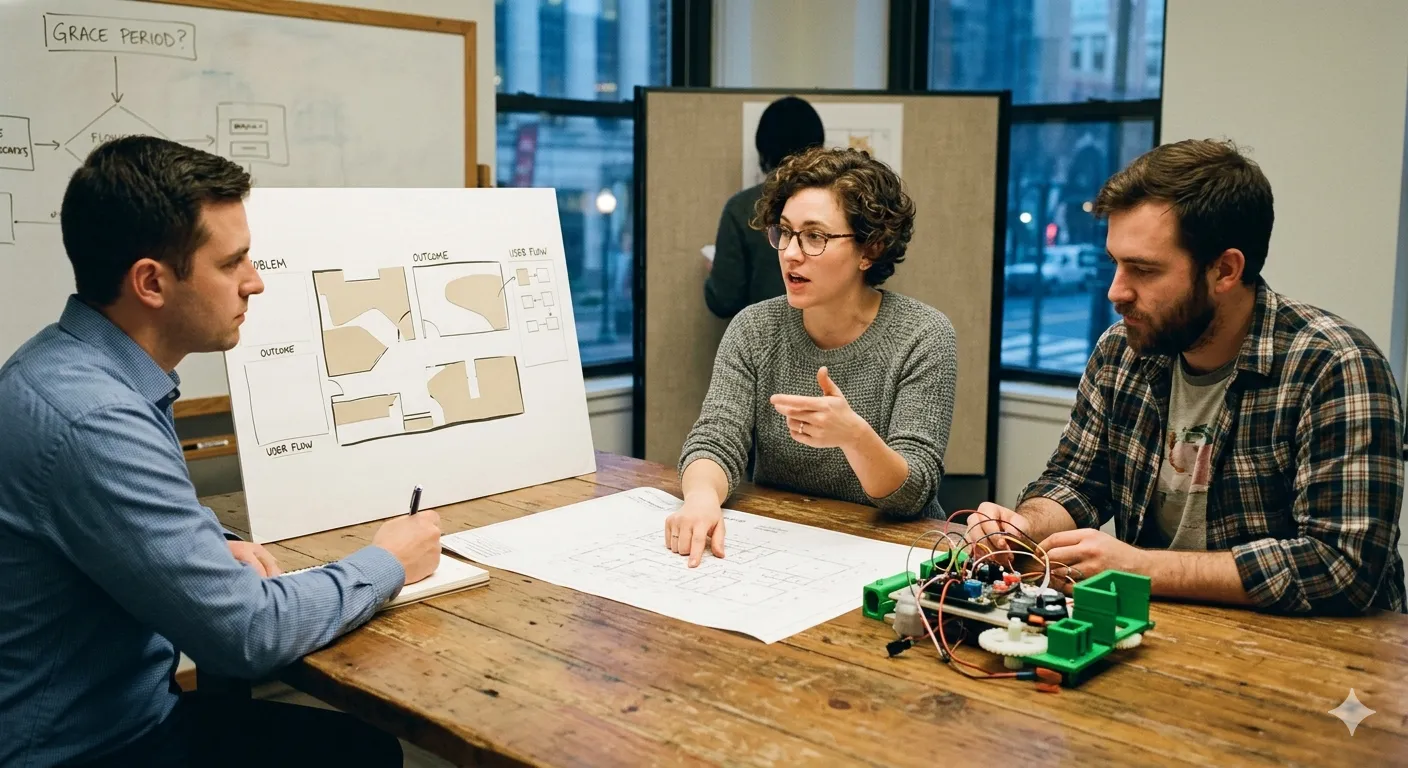
Many inventors hear about the U.S. grace period and assume they can disclose first and deal with patent filings later.
In practice, the situation is more complex.
The U.S. patent system may provide limited grace-period protections in certain situations involving inventor-originated disclosures. However, relying on those protections without strategic analysis can create significant uncertainty.
ℹ️ Info: A disclosure that appears harmless initially may later complicate examination, claim scope, or international filing opportunities.
One major misconception is believing that “nothing happened” after disclosure means there is no legal risk.
Public content can be:
- indexed by search engines;
- archived online;
- copied or redistributed;
- cited later during examination;
- discovered during due diligence processes.
Even if no immediate issue appears, disclosure may resurface months or years later during:
- fundraising rounds;
- acquisition negotiations;
- licensing discussions;
- partnership reviews;
- international patent filings.
⚠️ Warning: Lack of immediate consequences does not necessarily mean lack of legal consequences.
Another important issue is that disclosure may lock inventors into a specific version of the invention, limiting flexibility to draft broader or strategically refined patent claims later.
How to Share Your Invention Safely: What to Avoid and How to Plan
Avoiding unnecessary disclosure does not mean inventors must stop discussing their projects entirely.
The key is strategic communication.
A safer approach generally involves separating:
- commercial messaging;
- market positioning;
- problem-solving narratives;
from technical implementation details that could compromise patent protection.
Inventors can often discuss the value of a solution without disclosing the mechanics that make the invention patentable.
— U.S. patent disclosure principles and common intellectual property strategy practices.
When technical disclosure becomes necessary — such as during investor discussions, supplier negotiations, or strategic partnerships — it is advisable to:
- limit disclosure to essential information;
- structure conversations in layers;
- use properly drafted confidentiality agreements (NDAs);
- coordinate disclosure timing with filing strategy.
This becomes particularly important before:
- trade shows;
- startup demo days;
- technical conferences;
- product launches;
- long-form technical videos;
- public beta releases.
Critical Risks
- Marketing urgency should not dictate disclosure decisions involving potentially patentable technology.
If disclosure has already occurred, the most productive step is usually diagnosis rather than panic.
An organized review should assess:
- what was disclosed;
- where it was disclosed;
- when disclosure occurred;
- the level of technical detail involved;
- whether confidentiality existed.
This analysis helps clarify urgency, filing options, and potential strategic adjustments.
Strategic Disclosure as Part of Patent Planning
In innovation environments, visibility matters. Researchers need publications, startups need exposure, and inventors often need public validation to attract funding and partnerships.
At the same time, patent protection depends heavily on controlling how technical information enters the public domain.
For this reason, public disclosure patent US issues should ideally be addressed before presentations, launches, publications, or investor outreach begin.
ℹ️ Info: Preventive planning generally creates far more flexibility than trying to repair disclosure problems afterward.
Working alongside a patent attorney allows inventors and companies to balance visibility and protection more effectively, preserving both commercial momentum and long-term intellectual property value.