For YouTubers, streamers, podcasters, TikTok creators, influencers, and digital entrepreneurs, intellectual property for creators is not an abstract legal concept. It affects virtually every aspect of content production, monetization, partnerships, branding, and audience growth.
Videos, podcasts, livestreams, thumbnails, logos, background music, collaborations, sponsorships, and social-media campaigns all involve intellectual property rights in some form.
Many creator disputes arise not from bad faith, but from informal arrangements made without clear legal structure.
As the creator economy becomes more professionalized, understanding copyright, trademarks, licensing, and image rights becomes increasingly important for long-term business sustainability.
Intellectual Property for Creators: Who Owns the Content and Rights
One of the first legal questions creators face is ownership: who actually owns the rights in the content being produced?
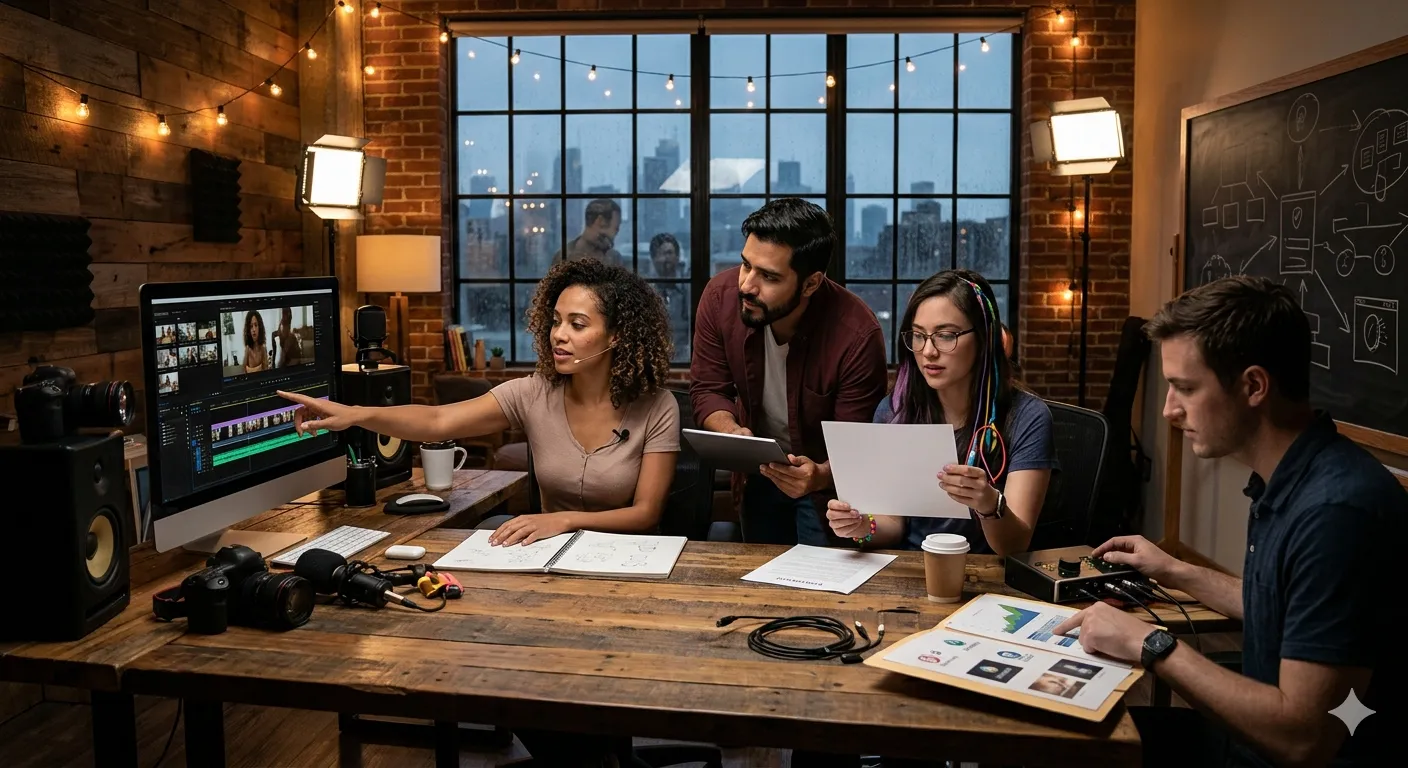
In some situations, creators independently write, record, edit, and publish their own material. In others, production involves editors, agencies, co-hosts, designers, musicians, managers, or brand partnerships.
As a general principle, copyright ownership usually begins with authorship. The person who creates original scripts, recordings, music, graphics, or audiovisual content is often the initial rights holder unless contracts state otherwise.
ℹ️ Info: Joint creative participation may create co-authorship rights even when collaborators were never formally added to the channel or brand.
Potential contributors may include:
- video editors;
- co-hosts and guest creators;
- soundtrack composers;
- graphic designers;
- photographers;
- agencies and production companies.
Without clear agreements, disputes may later arise regarding monetization, licensing, reposting, content removal, or revenue sharing.
For creators operating through companies or agencies, contracts should ideally define whether rights remain with the individual creator or are assigned to a legal entity.
Intellectual Property for Creators: Music Copyright and Common Risks
One of the most common legal risks for creators involves the use of third-party music, clips, photographs, memes, and audiovisual content.
Many creators mistakenly assume that short excerpts, background music, or internet content are automatically free to use. In reality, copyright laws in many jurisdictions provide strong protection even for partial uses.
⚠️ Warning: Using copyrighted background music without proper licensing may result in takedowns, demonetization, copyright claims, or legal disputes.
This issue frequently arises with:
- music in YouTube videos;
- TikTok audio usage;
- clips from films or TV shows;
- reaction videos;
- memes and viral edits;
- photographs and stock images.
Certain legal systems recognize limited exceptions such as fair use or quotation rights, but these exceptions are highly fact-specific and should not be treated as blanket authorization.
Creators seeking long-term monetization and commercial partnerships generally benefit from using:
- properly licensed music libraries;
- royalty-free content with verified terms;
- public-domain materials;
- original soundtracks and graphics.
Critical Risks
- Building a monetized channel around unlicensed content can create significant financial and reputational exposure later.
The safest approach usually involves maintaining documented licenses and usage permissions whenever third-party works are incorporated into content.
Channel Name Trademarks, Collabs, and Licensing Basics
As creators grow, their channel name, logo, catchphrases, recurring series, and visual identity often become valuable commercial assets.
Trademark protection may become relevant when creators begin:
- selling merchandise;
- negotiating sponsorships;
- launching courses or digital products;
- licensing their brand;
- expanding into events or entertainment projects.
ℹ️ Info: Trademark registration may strengthen protection against fake accounts, copycat creators, unauthorized merchandise, and confusingly similar branding.
Registering a channel name or logo as a trademark generally offers stronger legal tools than relying solely on social-media use.
The decision should ideally consider:
- countries or territories of interest;
- intended business expansion;
- merchandise and licensing plans;
- coexistence risks with prior trademarks.
Collaborations, Sponsorships, and Licensing Agreements
Collaborations are central to the creator economy. Guest appearances, co-hosted podcasts, sponsored content, and influencer campaigns often involve multiple layers of intellectual property rights.
From a legal perspective, these relationships ideally should be governed by written agreements addressing:
- ownership of the resulting content;
- monetization rights;
- licensing permissions;
- editing and reposting authority;
- duration and territories of use;
- compensation structures.
⚠️ Warning: A collaboration that becomes commercially successful later may trigger ownership disputes if rights were never clearly defined.
This is particularly relevant when content later generates:
- advertising revenue;
- licensing opportunities;
- streaming platform deals;
- brand campaigns;
- documentary or catalog sales.
Creators working professionally generally benefit from contracts tailored specifically to digital-content exploitation rather than relying on generic templates.
Image Rights, Voice Rights, and Digital Persona
Intellectual property for creators also intersects with image rights and personal identity protection.
Using another person’s image, voice, likeness, or digital persona in videos, campaigns, livestreams, or commercial materials may require consent depending on applicable law and context.
🚨 Danger: Featuring guests, fans, or participants in monetized content without proper authorization may create legal exposure.
Creators with strong personal brands often commercialize distinctive:
- speech patterns;
- visual aesthetics;
- avatars;
- catchphrases;
- digital personas;
- recognizable presentation styles.
Licensing agreements involving a creator’s image or voice should ideally define:
- where the material may be used;
- duration of authorization;
- geographic scope;
- compensation terms;
- permitted formats and platforms.
Likewise, creators filming public interactions, interviews, or collaborations should consider obtaining image releases compatible with the intended commercial use.
Structuring Intellectual Property as Part of Creator Strategy
Professional content creation now requires more than creativity and online engagement. As channels grow into businesses, intellectual property becomes a strategic asset directly connected to monetization, licensing, partnerships, and long-term scalability.
A strong legal structure often includes:
- organization of copyright ownership;
- legally secure music and media usage;
- trademark protection for channel branding;
- written collaboration agreements;
- image and voice authorization management;
- licensing strategy for future expansion.
Preventive legal organization is usually far less expensive than resolving disputes after a creator brand has already gained commercial value.
— U.S. copyright principles, trademark protection standards, and creator economy licensing practices.
Creators who structure intellectual property correctly place themselves in a stronger position to negotiate with advertisers, platforms, agencies, investors, and global brands.
Rather than depending on informal practices, creators with organized legal protection are better equipped to transform content into scalable and enforceable commercial assets.