The wine industry has become increasingly competitive, making branding and legal compliance more important than ever. Finding a unique and strong name for your wine will play a large role in the first impression and be a determining factor in your success. A memorable wine brand can influence purchasing decisions long before consumers ever taste the product itself.
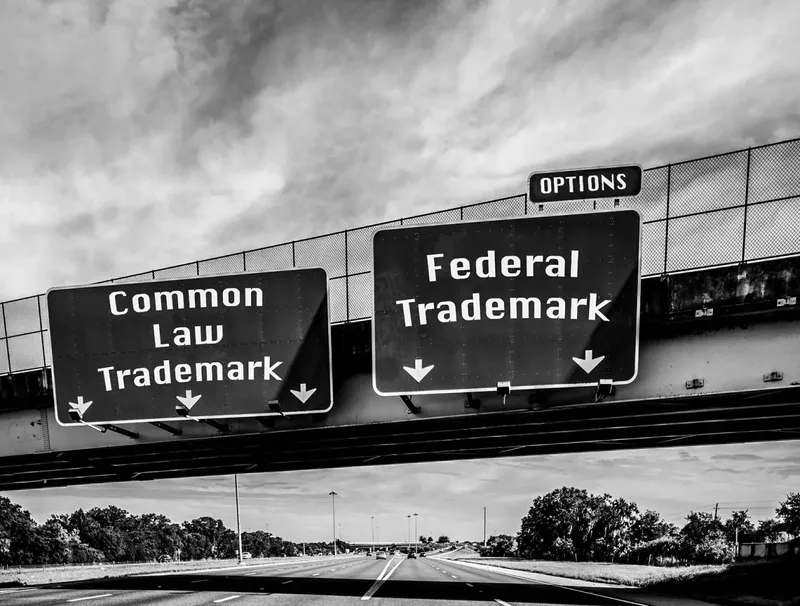
As more wine names are registered as trademarks, selecting a legally available brand name has become increasingly difficult. Before launching a wine product, businesses should conduct a trademark search to determine whether the desired name is already in use or registered by another party.
A trademark search can help wine producers avoid infringement disputes, costly rebranding, and trademark application refusals.
— Federal wine labeling and advertising requirements are primarily regulated by the TTB under U.S. alcohol beverage laws.
Registering your wine brand with the USPTO provides important legal protections and establishes ownership rights over the name. Trademark registration can also increase the commercial value of your wine business over time.
However, branding is only the beginning. Before wine products can enter the marketplace, producers must comply with federal labeling requirements and obtain approval for their labels through a Certificate of Label Approval (COLA) or exemption process.
Why Wine Labeling Matters
Wine labels do more than provide legal information. They also serve as a critical marketing tool that influences consumer perception, trust, and brand recognition.
A carefully designed label can help products stand out in crowded retail environments. Wine labels often communicate sophistication, authenticity, flavor expectations, and product quality to potential buyers.
ℹ️ Info: Wine labels must comply with regulations established by the Alcohol and Tobacco Tax and Trade Bureau (TTB).
Mandatory label requirements for wine products generally include:
- Brand name
- Class or type of wine
- Alcohol content by volume
- Net contents
- Producer and bottler information
- Health warning statements
- Sulfite disclosures
Some information is only required under specific circumstances, including:
- Appellation of origin
- Percentage of foreign wine
- Country of origin for imported wines
- Color additive disclosures
Wine producers may also choose to include optional information such as:
- Vintage year
- American Viticultural Areas (AVA)
- Organic certification claims
- Dietary information
- Sugar content
- Gluten content statements
- Flavor or tasting descriptions
⚠️ Warning: Optional label information must still comply with strict TTB advertising and labeling regulations.
The Importance of Regulatory Compliance
Providing the correct information is not enough. The TTB imposes strict formatting and presentation requirements for wine labels, including legibility standards, placement rules, and restrictions against false or misleading claims.
Failure to comply with TTB regulations may delay product launches, trigger label rejections, or expose wine producers to regulatory penalties.
Critical Risks
- Misleading wine labels or inaccurate product claims may create legal liability and damage brand credibility.
Because labeling compliance involves both marketing and legal considerations, many wine businesses work with attorneys experienced in trademark law and alcohol beverage regulations.
At Alcoba Law Group, we assist wine producers with:
- Wine trademark searches
- USPTO trademark registration
- COLA applications and exemptions
- Wine label compliance reviews
- Alcohol beverage regulatory guidance
- Brand protection strategies
Protecting Your Wine Brand for Long-Term Growth
A successful wine business depends on both strong branding and legal protection. Choosing a distinctive wine name, securing trademark rights, and complying with labeling laws can help build long-term consumer trust and reduce legal risks.
The earlier wine producers address trademark and regulatory issues, the easier it becomes to establish a scalable and defensible brand in the marketplace.
Conclusion
Finding a unique and strong name for your wine will play a large role in the first impression and be a determining factor in your success. Yet branding alone is not enough. Wine producers must also navigate trademark registrations, COLA approvals, and TTB labeling requirements to successfully bring products to market.
At Alcoba Law Group, our experienced trademark and alcohol beverage attorneys help wine businesses protect their intellectual property and maintain regulatory compliance. Whether you need assistance with trademark registration, wine labeling, or federal approvals, our legal team is prepared to guide you every step of the way.