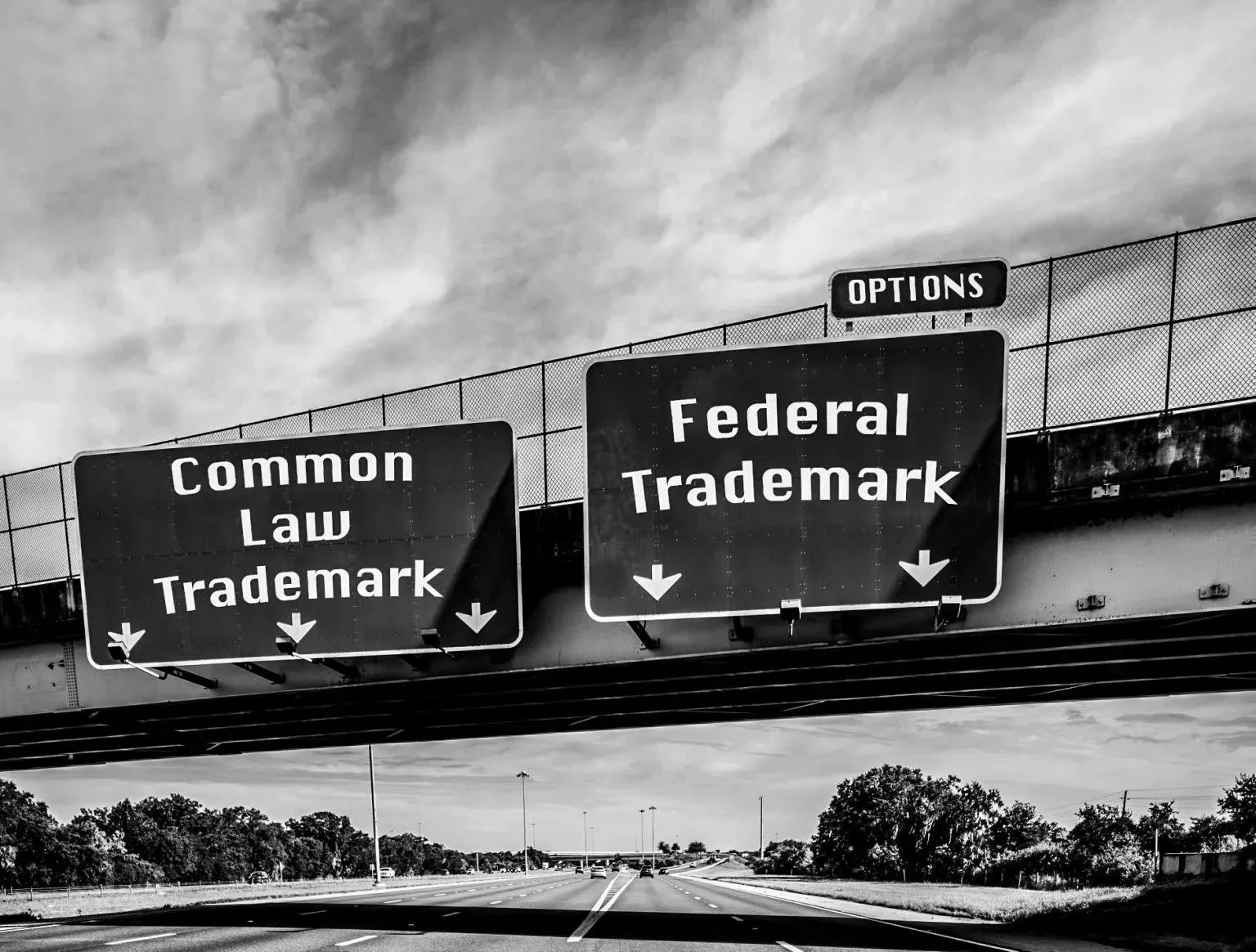
Trademarks are names that owners assign to their businesses or products to create a recognizable identity and distinguish their goods or services from competitors. In today’s technology-driven economy, trademarks are everywhere, from the clothing brands consumers wear to the digital platforms they use daily. As online commerce rapidly expands, businesses increasingly rely on trademark protection to maintain trust, recognition, and market value.
For entrepreneurs seeking legal guidance, our experienced trademark attorneys have registered over a thousand trademarks for business owners and entrepreneurs, helping companies secure stronger intellectual property rights and long-term brand protection.
Trademark protection begins the moment a distinctive mark is used in commerce, even before federal registration.
— USPTO trademark law recognizes both federally registered and common law trademark rights within the United States.
Large corporations routinely register their trademarks with the United States Patent and Trademark Office (USPTO) to defend against infringement, counterfeiting, and unfair competition. However, many small and local businesses are unaware that they may also possess legal rights through common law trademark protections.
Understanding Common Law Trademark Rights
Even without federal registration, businesses may obtain common law trademark rights simply by using a trademark in commerce. These rights arise automatically when a business consistently uses a distinctive name, logo, or slogan associated with its products or services.
However, not every trademark qualifies for protection. Generic terms are not protectable because they merely describe the product or service itself.
⚠️ Warning: Generic names such as “Food Delivery” for a delivery company generally receive no trademark protection.
Distinctive marks—including fanciful, arbitrary, suggestive, and certain descriptive marks with acquired distinctiveness—can qualify for legal protection under trademark law.
Geographic Limitations of Common Law Trademarks
One of the most important limitations of common law trademarks is their restricted geographic scope. These protections usually apply only within the region where the trademark is actively used and in areas where the business could reasonably expand.
Business owners must also actively monitor and enforce their own trademark rights. This may include sending cease-and-desist letters, opposing conflicting applications, or initiating cancellation proceedings against infringing trademarks.
ℹ️ Info: Failure to enforce a common law trademark may weaken or even eliminate your legal protections over time.
Why Federal Trademark Registration Matters
Federal trademark registration offers broader legal benefits compared to common law protections alone. Once a trademark is federally registered, the owner gains nationwide recognition and additional enforcement tools under U.S. trademark law.
A federally registered trademark also appears in the USPTO database, which discourages competitors from attempting to register confusingly similar names.
Our experienced trademark attorneys have registered over a thousand trademarks for business owners and entrepreneurs, helping clients avoid costly disputes and secure stronger legal protections for their brands.
Priority of Use and Trademark Disputes
In trademark disputes, priority generally belongs to the senior user—the first party to use the trademark in commerce. This rule applies even when another company later obtains a federal registration.
For example, if a business establishes common law rights in a particular state before another company files for federal registration, the senior user may retain exclusive rights within its geographic region.
Critical Risks
- Registering a trademark federally does not automatically eliminate earlier common law rights owned by another business.
Keeping records of your earliest commercial use is extremely important when proving trademark ownership and priority rights.
The Importance of Trademark Monitoring
Trademark protection is not automatic after registration. Businesses must continuously monitor the marketplace to identify unauthorized use, counterfeit activity, or confusingly similar branding.
Using the TM symbol immediately informs competitors that you claim ownership rights in your trademark, even before federal registration is complete.
ℹ️ Info: Businesses may use the TM symbol without obtaining federal registration from the USPTO.
Once registration is approved, owners may use the ® symbol to indicate federally protected trademark rights.
Why Businesses Should Register Early
Many entrepreneurs delay trademark registration because they believe their business is still too small. Unfortunately, postponing registration can create major legal and financial risks later.
A business operating only under common law rights may face difficulties expanding nationally if another company later secures federal registration for a similar trademark.
Federal registration also simplifies enforcement actions and increases the overall value of your intellectual property portfolio.
How Alcoba Law Group Helps Protect Your Brand
At Alcoba Law Group, we understand that trademarks are among the most valuable assets a business can own. Our legal team helps entrepreneurs conduct trademark searches, file USPTO applications, respond to office actions, and enforce trademark rights against infringers.
Whether you are launching a startup or expanding an established company, securing trademark protection early can help safeguard your business identity for years to come.
Businesses that proactively protect their trademarks position themselves for stronger growth, better consumer recognition, and long-term commercial success.