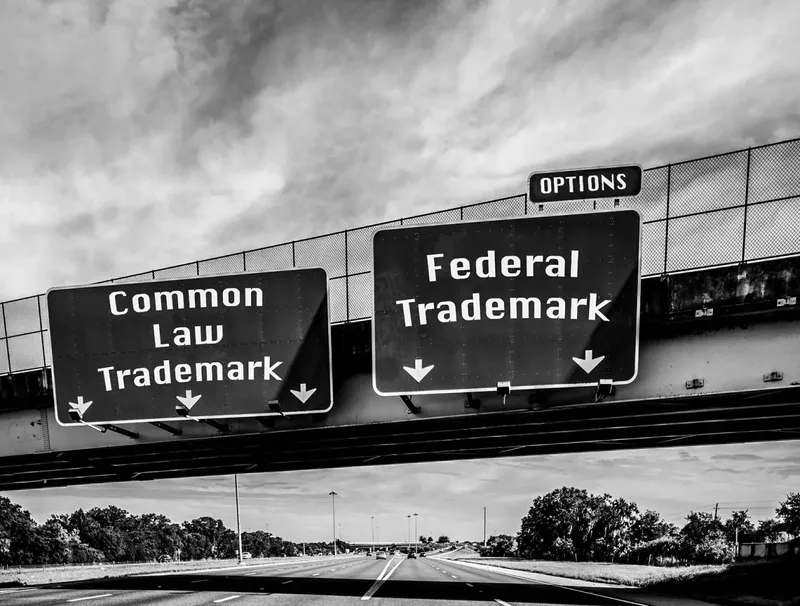
Trademark Clearance in the U.S.: How to Check Conflicts Before Branding
Choosing a name, buying a domain, designing a logo, opening social media profiles, and investing in packaging or signage before checking legal risk is one of the most common branding mistakes.
In the United States, trademark clearance US is the process that helps businesses evaluate potential conflicts before committing time, money, and market positioning to a brand identity.
The goal is not achieving absolute certainty. The real objective is reducing legal and commercial risk methodically before major investments are made.
A strong branding strategy begins with risk assessment, not only with creative development.
Many entrepreneurs mistakenly believe that searching a name on Google is sufficient. In reality, trademark conflict analysis is substantially more complex.
Trademark law does not focus exclusively on identical names. It also considers:
- similarity in appearance;
- pronunciation;
- meaning;
- commercial impression;
- related goods or services;
- likelihood of consumer confusion.
Without proper analysis, companies may invest heavily in a brand only to face objections, cease-and-desist letters, forced rebranding, or platform disputes later.
Trademark Clearance US: Why Google Isn’t Enough
The first misconception in trademark clearance US is assuming that online visibility equals trademark strength.
Google searches reveal digital presence, but they do not necessarily reveal trademark rights.
A trademark may be federally registered despite having little online activity, while another highly visible brand may have weak or limited protection.
ℹ️ Info: Trademark rights and online popularity are not the same thing.
Important information frequently exists in:
- USPTO trademark databases;
- state trademark registries;
- prior applications;
- industry-specific uses;
- common law trademark usage;
- commercial records not indexed prominently online.
A proper clearance analysis examines more than exact wording.
It also evaluates:
- spelling variations;
- phonetic similarity;
- abbreviations;
- stylized versions;
- conceptual similarity;
- overlapping industries.
⚠️ Warning: Two brands do not need to be identical to create a significant legal risk.
For example, consumers may associate two brands as related even when the names differ slightly if they operate in similar markets or target the same audience.
This is why trademark clearance requires legal and commercial interpretation rather than a simple internet search.
Where Conflicts Show Up: Similarity, Market, Classes, and Evidence
Trademark conflicts generally arise when similarity combines with market proximity.
In practice, several factors interact simultaneously:
- similarity between names or logos;
- overlap of products or services;
- customer audience;
- distribution channels;
- geographic scope;
- overall market positioning.
A common misunderstanding is believing that trademark classes alone determine risk.
While classes are important, they are not absolute barriers.
Critical Risks
- Similar marks operating in related commercial sectors may still create conflicts even in different trademark classes.
For example, businesses targeting similar consumers through related services may still generate confusion despite technical classification differences.
Another important factor involves evidence of actual use.
Depending on the circumstances, relevant considerations may include:
- first commercial use;
- geographic presence;
- consistency of brand usage;
- historical market activity;
- proof of ongoing operations.
ℹ️ Info: Trademark clearance is fundamentally a risk analysis exercise, not merely a word-matching process.
This explains why two seemingly similar names may coexist peacefully in some cases, while relatively small similarities become problematic in others.
The broader commercial context often determines how serious the risk actually is.
What to Do With the Results: Proceed, Adjust, or Pivot
The value of trademark clearance US lies in transforming uncertainty into informed decision-making.
If the analysis suggests relatively low risk, the business may proceed with greater confidence regarding branding investments.
When moderate concerns exist, it may still be possible to reduce exposure through strategic adjustments such as:
- modifying spelling;
- changing visual identity;
- refining positioning;
- narrowing service scope;
- adjusting branding presentation.
⚠️ Warning: Small adjustments made early are often far less expensive than full rebranding later.
When the conflict risk is substantial, the most economically rational decision is often pivoting before major investment occurs.
This can prevent costs associated with:
- domain acquisition;
- signage production;
- packaging redesign;
- social media migration;
- customer confusion;
- legal disputes.
Many companies underestimate how operationally disruptive a late-stage rebrand can become once customer recognition and digital presence are established.
Trademark Clearance as Part of Brand Strategy
In competitive markets, branding is not only a marketing issue. It is also a legal asset management issue.
Conducting trademark clearance before launch helps businesses:
- reduce avoidable disputes;
- strengthen brand consistency;
- improve registration strategy;
- protect marketing investments;
- preserve expansion flexibility.
Trademark clearance does not eliminate all risk, but it significantly improves the quality of business decisions.
— USPTO trademark examination principles and U.S. likelihood-of-confusion standards.
For companies planning long-term growth in the United States, trademark clearance is often one of the most cost-effective preventive steps in the branding process.
Working with trademark counsel allows businesses to evaluate conflicts more realistically, interpret nuanced risks, and align brand development with legal protection strategies.